

Invesdors
Invesdors
Invesdors
Sector 01 · 10 industries
The engine of Swiss prosperity. Ten industries spanning real estate, trade, healthcare, banking, education, professional services, technology, insurance, logistics, and tourism — together accounting for 74% of GDP and 78% of all employment.
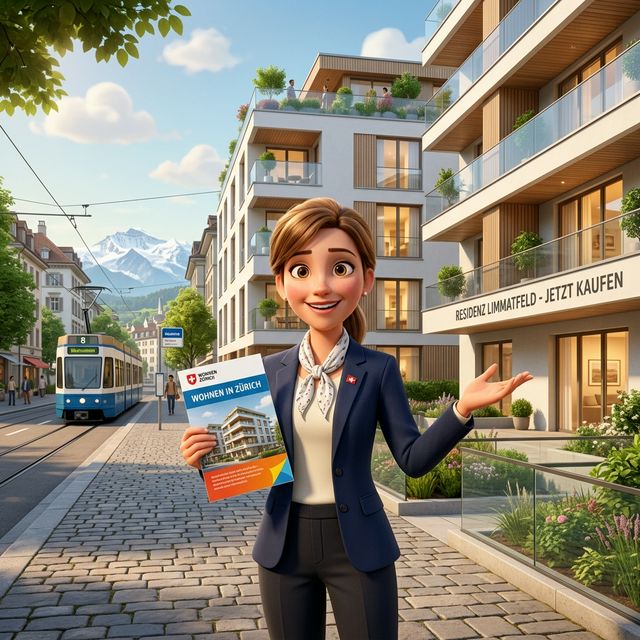
The largest single sub-sector of the Swiss economy. Residential and commercial property in Zurich, Geneva, Basel and Zug commands some of the highest valuations in Europe.

Wholesale and retail trade is the second largest services sub-sector. From speciality food retailers to global commodity traders — Switzerland's central location makes it Europe's premier trading hub.

One of the world's highest-quality healthcare systems. Swiss hospitals, private clinics, pharma-adjacent diagnostics, and health insurance generate CHF 60B+ in value annually.

Private banking, asset management, and capital markets infrastructure. UBS and Julius Bär alone manage over CHF 2.5 trillion in assets. Paradeplatz is Europe's wealth management capital.

ETH Zurich and EPFL rank among the world's top 15 universities. Switzerland invests 3.2% of GDP in R&D — more than any other country. A conveyor belt of deep-tech innovation.

Management consulting, legal, accounting, and financial advisory. Geneva hosts nearly every major international professional services firm, alongside 40+ international organisations.

Zurich, Zug, and Basel are Europe's fastest-growing tech corridors. Google, Microsoft, and IBM run major R&D centres here alongside hundreds of Swiss deep-tech startups.

Switzerland is the world's reinsurance capital. Swiss Re (No. 2 globally) and Zurich Insurance Group underwrite risk across 200+ countries, generating CHF 30B+ in annual premiums.

Switzerland is Europe's logistics crossroads. The NEAT rail tunnels (Gotthard, Lötschberg) carry millions of tonnes of freight, while Swiss Post and Kuehne+Nagel anchor global supply chains.

Over 40 million tourist overnight stays annually. Alpine resorts, luxury hotels, and MICE business (Davos WEF, Geneva UN summits) make Switzerland a top global destination.
Sector 02 · 5 industries
Switzerland punches far above its weight in manufacturing. Five world-class industries — pharmaceuticals, construction, precision machinery, medical devices, and Haute Horlogerie — generate 25% of GDP from a workforce of just 8.8 million.

The single largest industrial export sector. Novartis, Roche, and Lonza anchor the Basel–Zug–Zurich Life Sciences corridor — one of the densest pharma concentrations on Earth.
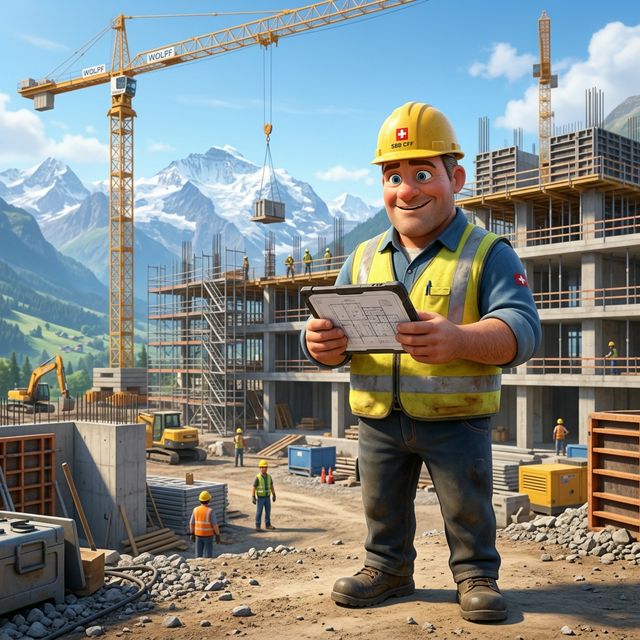
Swiss construction is one of the most active in Europe. Strict quality standards, alpine engineering expertise, and a chronic housing shortage in urban centres drive sustained investment.
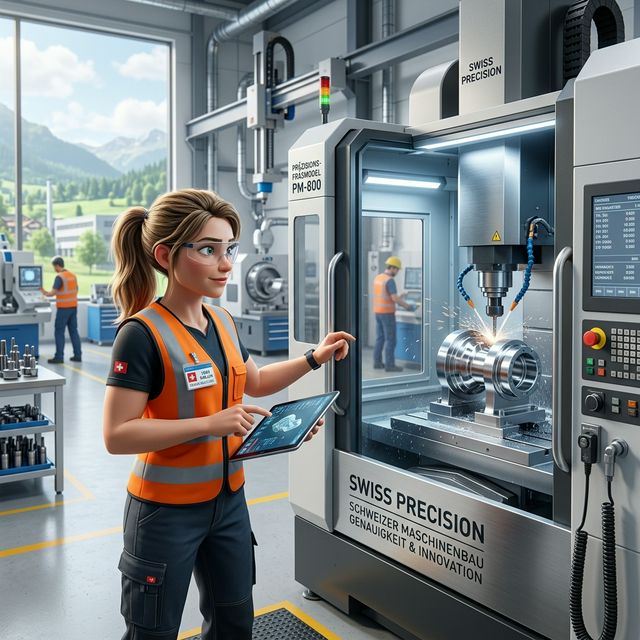
Swiss-engineered CNC machinery, robotics, and industrial automation are benchmark products worldwide. Key export markets: Germany, USA, China, and emerging Asia.
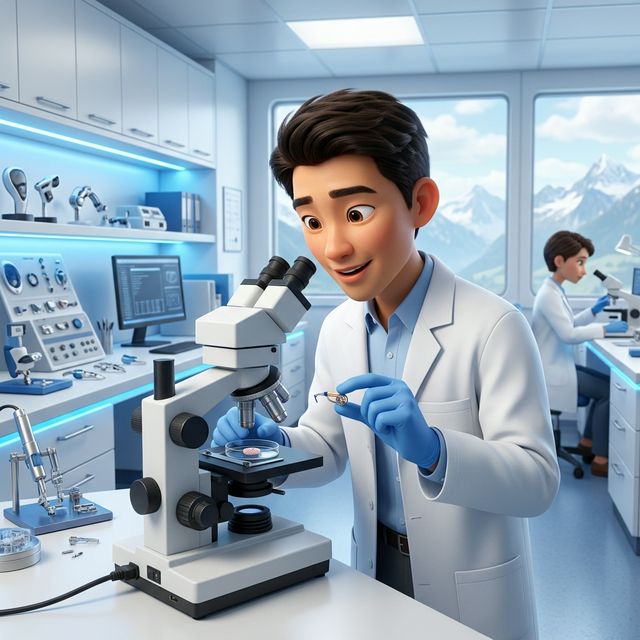
Switzerland exports more medical devices per capita than almost any country on Earth. Surgical robots, orthopaedic implants, and precision diagnostics — all built to Swiss standard.

Haute Horlogerie exports CHF 24B+ annually. The Jura arc produces 95% of the world's most valuable mechanical timepieces — a craft tradition spanning four centuries.
Sector 03 · 4 industries
Small in economic weight but foundational to Swiss identity. Alpine dairy, arable farming, premium viticulture, and managed forestry — four industries protected by the Swiss constitution as pillars of national food sovereignty.
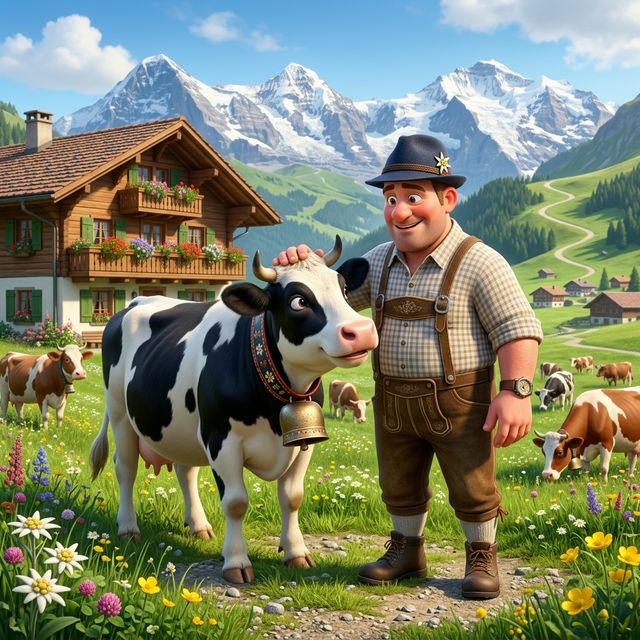
Switzerland's iconic alpine farms produce world-famous cheeses (Gruyère, Emmental, Appenzeller) and premium dairy. The sector is heavily subsidised to preserve cultural heritage and national food security.

The Swiss Mittelland plateau produces cereals, sugar beet, rapeseed, and vegetables. Food security is a constitutional priority — Switzerland targets 50%+ domestic food self-sufficiency.
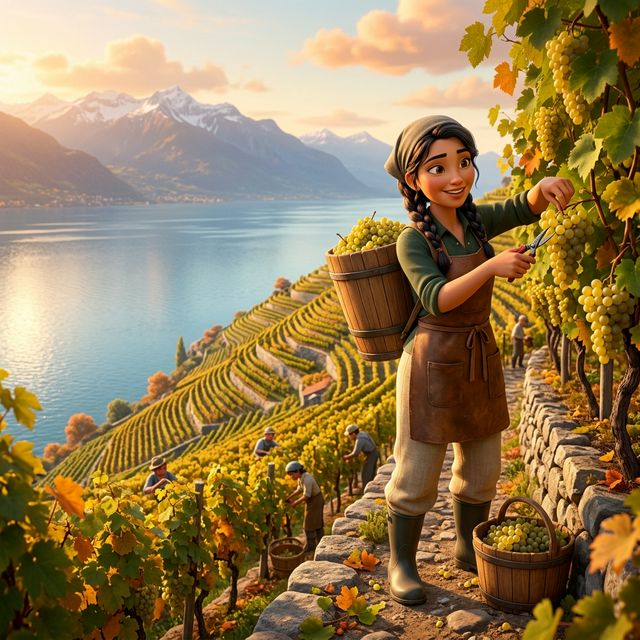
Over 15,000 hectares of vineyard in Valais, Vaud, and Geneva. The UNESCO-listed Lavaux terraces produce some of Europe's most underrated fine wines — almost entirely consumed within Switzerland.
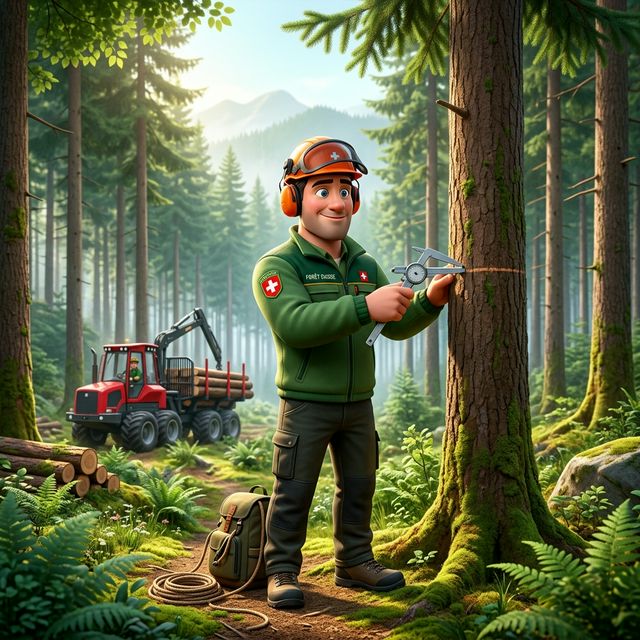
30% of Switzerland is managed, certified forest. Sustainable silviculture provides structural timber, biomass energy, flood protection, and biodiversity corridors across the Alps.